The Most Expensive Sound in Small Business
A call rolling to voicemail is the most expensive sound in small business. Here is why missed calls cost real jobs and how missed-call text-back fixes it.
On this page
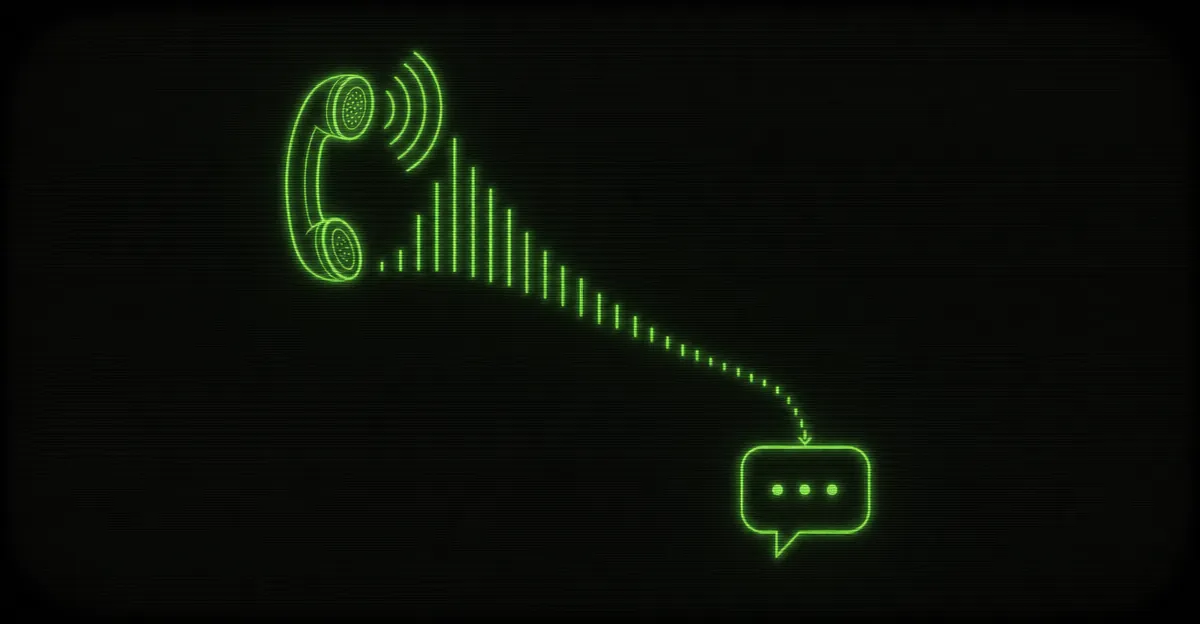
The most expensive sound in small business isn’t a refund or a one-star review. It’s four rings and a beep.
That’s the sound of a call rolling to voicemail. And every time it happens, there’s a decent chance you just lost a job you never even knew existed.
The caller is not going to wait for you
Picture the person on the other end. A pipe is leaking. The AC died in July. Their car won’t start and they’re already late. They are not browsing. They are not researching. They want the problem gone, and they want it gone now.
So they pull up Google, tap the first number, and call.
You don’t pick up — you’re under a sink, on a ladder, driving, with a customer, or it’s just after hours. The call rings out and lands in voicemail.
Here’s the part most owners get wrong. They assume that caller leaves a message and waits patiently for a call back. They don’t.
A large share of people who reach voicemail hang up without leaving anything. And of the ones who do, plenty never pick up when you call back hours later — because by then they’ve already booked someone else.
The caller doesn’t think “I’ll wait for them.” The caller thinks “next.”
You’re not competing on quality at that moment
This is the uncomfortable truth about a ringing phone. In that exact moment, the customer is not comparing your reviews to the next listing’s reviews. They’re not weighing your years of experience.
They’re comparing who answers.
The business that responds first usually wins the job — not because they’re better, but because they were there when it mattered. Speed-to-lead is a boring phrase for a brutal reality: the first credible response gets the work, and everyone else is fighting over scraps a few hours later.
You can be the best in town and still lose to the shop down the road that happened to be standing next to their phone.
A missed call is rarely just a missed message. More often it’s a customer walking into your competitor’s open door.
”Just answer the phone” doesn’t scale
The advice everyone gives is useless: just answer every call. Sure. While you’re elbow-deep in a job, on a roof, with a client in front of you, or asleep at 11 PM when someone’s water heater bursts.
You physically cannot answer every call. No one running real work in the field can. Hiring someone to sit by the phone all day is expensive and still doesn’t cover nights and weekends — which is exactly when a lot of emergency calls come in.
So the missed call is a structural problem, not a discipline one. And structural problems need a system, not a guilt trip.
How missed-call text-back actually works
Here’s the fix, and it’s simple enough that once you see it you’ll wonder why every business doesn’t run it.
The moment a call to your business goes unanswered, an automatic text goes out to that caller. Instantly. Something like:
Sorry we missed your call! This is [Your Business].
What can we help you with? Reply here and we'll
get you taken care of.
That’s the entire mechanism. The call you couldn’t answer turns into a text conversation you can.
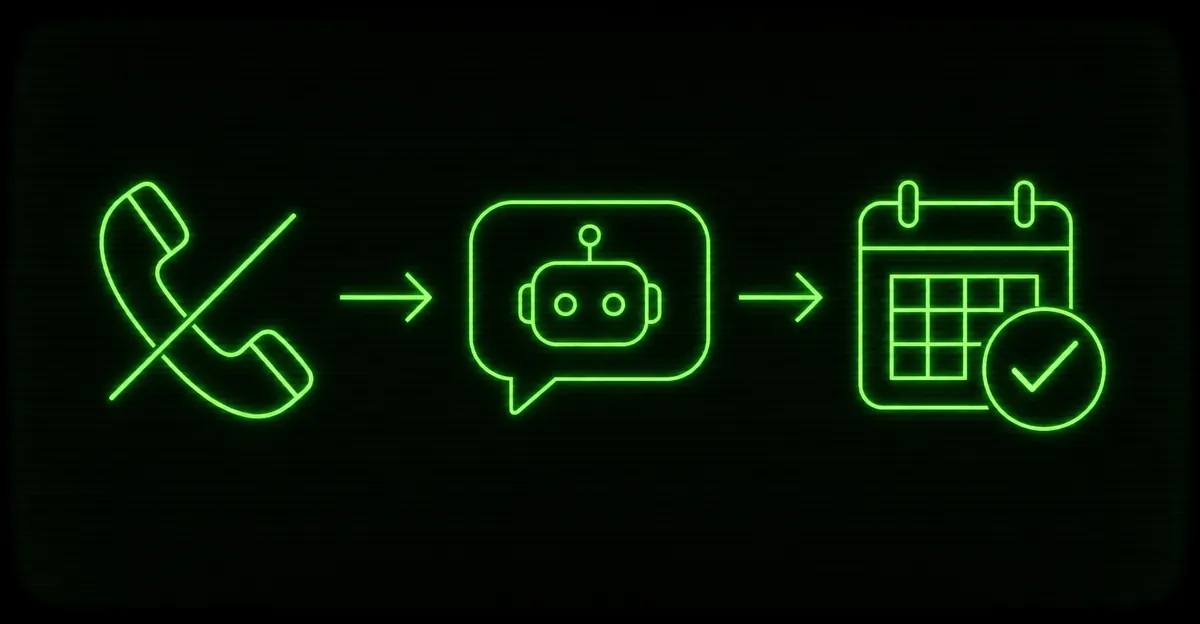
Why this works so well comes down to how people actually behave:
- A text feels answered. The caller hears nothing on the phone, then a few seconds later their phone buzzes with a real reply. You went from silent to responsive in the only window that mattered.
- People reply to texts. Most folks ignore voicemail entirely but will glance at and answer a text within minutes. You meet them where they already live.
- It stops the “next” reflex. The caller was about to dial the following listing. Your text lands first and gives them a reason to stop scrolling and just respond to you instead.
You’ve kept the lead warm without being anywhere near your phone.
A missed call is no longer a lost customer
Walk through what actually happens now.
| Without text-back | With text-back |
|---|---|
| Call rings out, hits voicemail | Call rings out, hits voicemail |
| Caller hangs up, no message | Caller gets an instant text |
| Caller dials the next business | Caller replies to you instead |
| You never knew they existed | You’re booking the job |
Same missed call. Completely different outcome.
The point isn’t that you’ll never miss a call again — you will, because you’re busy doing the actual work. The point is that missing the call stops costing you the customer. The lead gets caught instead of dropped.
And it runs around the clock. The after-hours emergency that used to go straight to a competitor’s overnight line? It now gets an immediate reply from you, and the conversation is already started by the time you’re free to take over.
What it actually costs you to not have it
Run the math in your head, no numbers required. Think about how many calls you genuinely miss in a normal week — driving, on jobs, after hours. Now assume even a fraction of those were ready-to-book customers who simply dialed the next name on the list.
That’s not a rounding error. That’s payroll. That’s a truck payment. That’s the difference between a slow month and a good one — leaking out four rings at a time, every single week, completely invisibly. You never see the jobs you lost this way, which is exactly what makes it so expensive.
Setting up missed-call text-back plugs that leak. It’s one of the highest-return things a service business can turn on, because it doesn’t require you to work more hours or answer more calls. It just makes sure the calls you can’t answer don’t quietly walk away.
Stop paying for that sound
The beep after four rings has been costing you jobs the whole time you’ve been in business. You just couldn’t hear the price tag.
You don’t need to be glued to your phone. You need a system that catches the calls you can’t, turns them into conversations, and keeps the customer from ever reaching the next listing.
See exactly how missed-call text-back works and what it takes to turn it on — so the next missed call ends with a booked job instead of a beep.